
Gum Disease – Signs and Symptoms
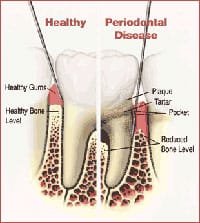
According to the American Dental Association, gum disease affects about 80% of the US population. That’s 4 out of every 5 people. This is because most people don’t spend the time necessary to properly clean their teeth and gums daily. Research has shown that gum disease leads to serious medical problems. And since this disease is rarely painful in its early stages, you cannot tell there is anything wrong. But gum disease has a few universal signs and symptoms.
Signs of Gum Disease
Gum disease progresses through distinct stages, and it all starts with mild inflammation. If you notice bleeding when brushing or flossing, puffiness, teeth feeling fuzzy and rough, or persistent bad breath, these are early warning signs of gingivitis. Catching the condition at this phase allows our team to completely reverse the inflammation before any permanent damage occurs to your supporting bone structures.
When inflammation is left untreated, it advances beneath the gumline, destroying the integrity of bone that holds your teeth in place. If you are experiencing loose or shifting teeth, pain while chewing, or deep gaps, you likely are in the periodontitis stage of gum disease. In these cases, our clinical team focuses on deep cleansing strategies to halt this aggressive tissue damage immediately.
- Bleeding gums when brushing or flossing
- Stains and tartar on the teeth
- Teeth feeling rough or fuzzy
- Bad breath
- Loosening or drifting of the teeth
- Gums looking a dark red or bright red color
- Pain in the gums – usually starts in later stages of gum disease
- Pain while chewing food
- Food particles getting lodged and embedded in the gums
- Gums looking puffy and bloated
- Receding gums making the teeth look longer
The bacteria responsible for infection do not remain localized in your mouth; they actively enter your bloodstream through inflamed tissues. To learn more about how oral bacteria impact your cardiovascular system and overall wellness, read our deep-dive analysis on the gum disease and heart health connection.
Gum Disease – Treatment
Fortunately, with proper professional care and tailored intervention, we can successfully manage and control this condition long-term. At Platinum Dental, we build customized treatment programs featuring non-surgical deep cleanings, scaling and root planing, and stabilization techniques. Explore our complete clinical approach on our periodontal therapy San Marcos service page to see how we safeguard your smile.
Frequently Asked Questions
A: The earliest warning indicators include minor bleeding when you brush or floss, persistent bad breath, a rough or “fuzzy” texture on your teeth, and gums that look swollen, puffy, or bright red. At this stage—known as gingivitis—the inflammation is localized to the soft tissue and can be completely reversed with timely intervention.
A: Yes. Gum disease is notoriously silent and rarely causes discomfort or pain in its early stages. Most patients have no idea anything is wrong until the infection progresses beneath the gumline. This is why paying close attention to visual cues like bleeding or receding gums is vital before structural damage occurs.
A: Gingivitis is the early, reversible stage of gum disease that only impacts the surface gum tissues. If left untreated, it advances into periodontitis. Periodontitis is a severe infection that moves below the gumline to destroy the bone structures supporting your teeth, which can lead to loose teeth, shifting, and eventual tooth loss.
A: The bacteria responsible for oral infections do not stay in your mouth. They enter your bloodstream through inflamed, bleeding gum tissues. Once in your system, these bacteria contribute to systemic inflammation, which research links to serious health risks like heart attacks, strokes, and cardiovascular issues.
A: While advanced bone loss from periodontitis cannot be fully undone or “cured,” the infection can be successfully managed, stabilized, and controlled long-term. Through professional deep cleanings, scaling and root planing, and consistent maintenance care, our team can stop the active destruction and protect your remaining smile.
A: We build customized periodontal care plans centered on non-surgical deep cleanings. This includes scaling and root planing to completely clear tartar and bacterial buildup below the gumline. Additionally, we create protective mouthguards from traditional physical dental molds to stabilize loose teeth and minimize tissue strain while you heal.
